Doberman Pinscher Embroidery Design Review
As an experienced embroidery designer, I spend a significant amount of time testing new files before recommending them to my own customers or using them in my personal shop. Recently, I received the Doberman Pinscher design for review, and I wanted to put it through its paces to see if it truly delivers on the promise of bringing a dog to life. This isn't just about checking stitch counts; it is about understanding the emotional weight of a personalized gift and whether this specific file can elevate a handmade product from "nice" to "heirloom quality." The description highlights that the colors are based on ISACORD 40, which immediately suggests a professional-grade finish intended for serious crafters and small business owners.
First Impressions: Mood and Detail
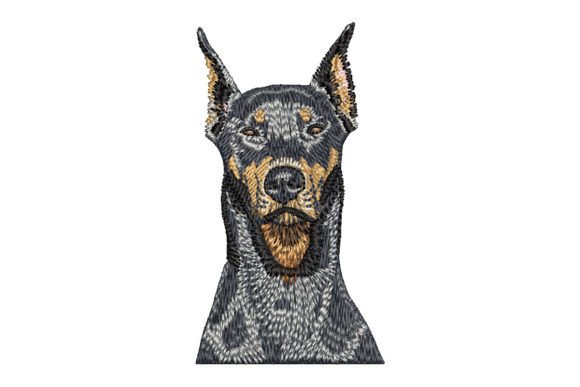
The moment I loaded the Doberman Pinscher machine embroidery design into my software, the first thing I noticed was the intent behind the artistry. Unlike cartoonish or overly simplified dog icons, this piece aims for realism. The mood is one of dignified loyalty mixed with a touch of playful alertness. For a designer looking to create meaningful gifts, this distinction is crucial. It feels elegant yet approachable, making it versatile enough for a variety of occasions without feeling too stiff or too casual.
The detail level appears high, capturing the sleek lines and muscular definition typical of the breed. When you look at the preview, the animal seems ready to step off the fabric. This "coming to life" effect is exactly what buyers search for when they want a unique personalized gift. It creates an immediate emotional connection, suggesting that the recipient will cherish the item not just as a decoration, but as a representation of their bond with their pet.
From Digital File to Heirloom Product
I have been planning several upcoming collections for Etsy and local craft fairs, and I am constantly asking myself: Where does this design fit best? The Doberman Pinscher file has immense potential across various product categories. Imagine a baby blanket embroidered with this realistic dog image, perhaps accompanied by the child's name. It transforms a standard nursery item into a unique keepsake that honors a family dog while welcoming a new member.
For wedding gift designers, this design offers a sophisticated option. A set of kitchen towels featuring this artwork could serve as a memorable housewarming present for a couple who loves dogs. Similarly, pillow covers and aprons would benefit from the strong visual impact of the Dobermann. The realistic style adds a layer of perceived value that makes the finished product feel premium. Whether you are an Etsy seller looking to expand your digital product listings or a small shop owner creating custom orders, this file provides the "wow" factor needed to stand out in a crowded marketplace.
The versatility extends to tote bags and custom order previews. A sturdy canvas tote with this design stitched in high-contrast threads becomes a functional piece of art. The key here is the narrative. Customers buying these items are often looking for something that tells a story. The Doberman Pinscher design provides that story instantly, appealing to dog lovers who appreciate the breed's specific character traits.
Strategic Considerations and Fabric Choices
While the design is promising, every embroidery file requires careful consideration regarding where it should be used. Realism demands precision, and certain fabrics can obscure the fine details that make this design special. For instance, textured fabrics like heavy waffle-weave towels or thick fleece blankets might hide the subtle shading required for the dog's coat. In such cases, the design might lose some of its lifelike quality.
Stretchy baby clothes present another challenge. While a soft onesie is a popular item for baby embroidery, the tension required to keep a large, detailed design flat can distort the stitches on knitted fabrics. It is safer to stick to stable materials like cotton twill, denim, or tightly woven percale for this specific file. Additionally, curved surfaces like rounded hat crowns or fitted sleeves can be difficult to hoop effectively without puckering. If the goal is a crisp, professional finish, flat surfaces like pillow covers, aprons, and tote bags are ideal candidates.
Dark fabric also requires strategic planning. Since the design relies on specific thread colors, stitching a light-colored Doberman on dark fabric may require extensive underlay or a white base layer, which can add bulk. Conversely, ensuring the thread colors pop against the background is essential for maintaining the handmade product aesthetic. Always test on scrap fabric to ensure the contrast remains sharp and the details do not get lost in the weave.
Impact on Giftability and Brand Trust
In the world of small business owners and handmade sellers, the perceived value of an item is directly tied to the quality of the execution. A well-executed Doberman Pinscher design signals to the buyer that care was taken. It builds customer trust and enhances the emotional connection between the giver and the receiver. When a customer sees a realistic, clean stitch job, they are more likely to view the item as a high-value gift rather than a mass-produced commodity.
This attention to detail also aids in product photography. A beautifully stitched realistic dog photograph looks stunning on social media and online listings, driving higher engagement. Buyers are drawn to images that show texture and depth, and a successful stitch-out of this design will provide those visual cues. It turns a simple listing into a showcase of craftsmanship, encouraging repeat purchases and referrals.
Practical Notes for Successful Stitching
Before rushing into production, there are several technical steps every designer must take. First and foremost, always test on scrap fabric that matches your final product. Check the thread colors closely against the ISACORD 40 palette mentioned in the description to ensure accuracy. Confirm the hoop size needed to accommodate the entire design without cutting off any critical details, especially around the ears and muzzle.
Review the stitch density carefully. High-density areas can sometimes cause the fabric to pucker or the needle to break if not supported correctly. Use a proper stabilizer that matches the weight and stretch of your fabric; a cut-away stabilizer is often necessary for durable items like aprons and tote bags, while a tear-away might suffice for lighter home decor. Compare mockups on both light and dark fabrics to visualize the final contrast.
Finally, inspect the small details after stitching. Zoom in on the eyes and nose to ensure they are defined and not filled with excess thread. If you plan to sell finished products commercially, double-check the licensing terms of the digital embroidery file to ensure you have the right to use the Doberman Pinscher design for resale. By following these practical steps, you can ensure that your custom embroidery projects meet the highest standards of quality and beauty.