Candy Christmas Embroidery Design Review
As an embroidery designer who spends countless hours testing digital files before putting them on the market, I recently had the chance to evaluate a product titled Candy Christmas. The goal was simple: determine if this design fits into my workflow for real commercial projects. Many designers rush through downloads without considering how a file will perform under the hoop or how it translates to a finished product. My review of Candy Christmas is based on a practical assessment of its visual appeal, stitch structure, and potential value for handmade goods.
First Impressions and Visual Mood
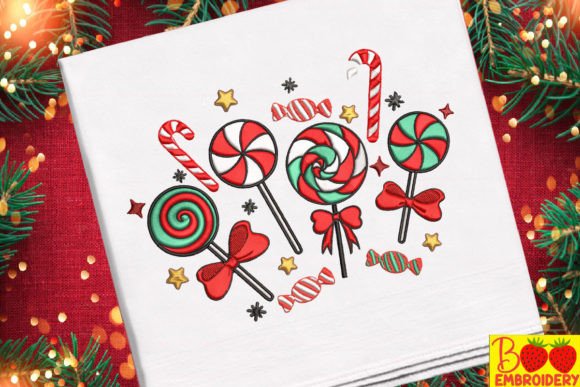
The name "Candy Christmas" immediately suggests a specific aesthetic: playful, colorful, and sweet. When I first opened the file, the mood was exactly what the title promised. It is not a solemn or traditional holiday design; instead, it brings a whimsical energy that stands out against both festive reds and neutral backgrounds. For designers looking to create items that feel modern yet seasonal, this machine embroidery design offers a fresh take on holiday decor.
The detail level appears balanced, avoiding the trap of being too sparse or overly dense. In the world of custom apparel and boutique merchandise, a design needs to have personality without overwhelming the fabric. Candy Christmas seems to strike that balance well. The decorative appeal is high, making it suitable for a wide range of applications, from small accents on baby blankets to statement pieces on kitchen towels. It feels like a design that naturally invites customization, whether you are adding a monogram or pairing it with complementary elements.
Performance in Real Embroidery Projects
The true test of any embroidery file is how it behaves when stitched. I considered using Candy Christmas for several common project types, including tote bags, sweatshirts, aprons, and pillow covers. The design's versatility is one of its strongest assets. On sturdy fabrics like canvas or denim, such as those used for tote bag designs, the stitches should hold their shape beautifully. On softer materials like cotton blends found in sweatshirt embroidery or baby items, the design adds a touch of luxury without feeling heavy.
For Etsy sellers and craft fair vendors, the ability to adapt a design is crucial. This digital embroidery file could easily be adapted for personalized gifts, where adding a customer's name transforms a generic item into a cherished keepsake. The design works particularly well for nursery decor, where the soft, candy-inspired theme fits perfectly alongside other gentle patterns. Additionally, for those creating embroidered patches or caps, the clean lines of the design ensure that even on curved surfaces, the final product remains legible and attractive.
Practical Considerations for Production
While the visual aspect is important, the technical execution determines whether a project succeeds or fails. When working with small hoop sizes, it is essential to verify that the details in Candy Christmas do not become lost. Tiny lettering or intricate elements can sometimes get lost in the stitching process if the density is too high. I recommend reviewing the stitch density closely before committing to a full production run. If the design features dense fill stitches, it may require a stabilizer that provides extra support to prevent puckering.
Fabric choice plays a significant role in the outcome. On textured fabrics, the design might look slightly different than on smooth cotton. Similarly, working with stretchy fabrics requires careful tension adjustments to maintain the integrity of the satin stitch or running stitch elements within the file. Dark fabrics present another challenge; while the design looks nice on light backgrounds, the thread colors must be chosen carefully to ensure sufficient contrast. Always check the recommended thread colors or be prepared to swap them out for higher visibility.
Layered details are often a selling point for handmade products, but they can also complicate the stitching process. If Candy Christmas includes multiple layers or applique elements, ensure your machine settings are adjusted accordingly. For products that need frequent washing, such as aprons or kitchen towels, the stability of the stitches is paramount. A well-structured file will withstand the rigors of laundering, ensuring your brand maintains its reputation for quality.
Affiliate Content Style and Trust Building
When evaluating Candy Christmas for commercial use, it is vital to think about how the design affects product value and buyer trust. A high-quality embroidery file elevates a simple item into a premium gift. Customers are willing to pay more for items that show attention to detail and professional finishing. By choosing a design like Candy Christmas, you signal to your audience that you care about the presentation of your work. This enhances brand consistency and makes your products stand out in a crowded marketplace.
Visual appeal directly impacts customer engagement. A well-executed design catches the eye in product photography and social media posts. Whether you are listing an item on Etsy or showcasing it at a craft fair, the crispness of the embroidery can make all the difference. However, it is important to remain honest about the limitations of the design. Do not overpromise on capabilities that the file does not support. Transparency builds long-term relationships with buyers who appreciate authenticity.
Essential Embroidery Notes for Success
Before integrating Candy Christmas into your production line, there are several practical steps every designer should take. First, always test on scrap fabric. This allows you to see how the design interacts with different materials and adjust your tension or stabilizer choices as needed. Checking thread color contrast is equally important; what looks good on a screen may not translate well to physical thread. Review the stitch density to ensure it matches the weight of your fabric.
Confirming the hoop size is critical for large projects. If the design exceeds your machine's standard hoop, you may need to split the file or use a larger hoop setup. Comparing light and dark fabric mockups helps you visualize the final product and identify any potential issues with visibility. Using proper stabilizer is non-negotiable; it supports the fabric during stitching and prevents distortion. Inspect small details after stitching to ensure no threads are missed or broken.
Finally, confirm file details and licensing on the Creative Fabrica product page before selling finished items. Understanding the terms of use ensures that you are compliant with copyright laws and can confidently sell your handmade products. Knowing whether the design allows for commercial use or requires attribution is essential for protecting your business. Take the time to read the description thoroughly to avoid any legal complications down the road.
Final Thoughts on Value and Application
In conclusion, Candy Christmas offers a charming option for designers seeking to add a festive touch to their collection. Its playful nature makes it ideal for seasonal collections, personal gifts, and boutique merchandise. While the design has strong visual potential, its success ultimately depends on how well it is executed. By following best practices in stabilization, thread selection, and testing, you can transform this digital asset into a beautiful finished product that delights customers.
For those building a brand around handmade goods, investing time in finding the right design assets is key. Candy Christmas provides a solid foundation for creating memorable items that resonate with the holiday spirit. Whether you are decorating a cap, embellishing a patch, or crafting a special gift, this embroidery file delivers the charm needed to elevate your work. Just remember to verify all technical specifications and license terms to ensure a smooth and successful production process.