Duck Girl Embroidery Design Review for Personalized Gifts
As an embroidery designer who has spent years refining digital files and testing them on real fabrics, I approach every new design with a mix of excitement and skepticism. When I first pulled up the Duck Girl machine embroidery design, my initial reaction was one of pure delight. It is not just another generic animal motif; it carries a specific mood that resonates deeply with the current trends in handmade gifts. This review is based on my practical experience evaluating this design for a boutique personalized gift shop, considering how it performs as a finished product for customers ranging from new parents to wedding planners.
First Impressions: Mood and Charm
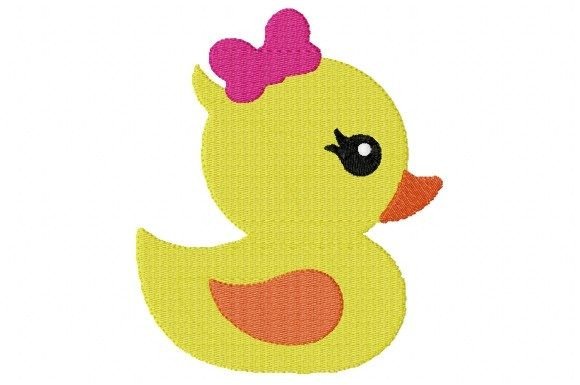
The Duck Girl design immediately strikes me as playful yet sweet. The charm lies in its simplicity and the friendly expression of the character. It feels modern but retains a classic, timeless quality that won’t look outdated in a few years. For a personalized gift, emotional connection is key, and this design delivers that effortlessly. It evokes feelings of warmth, nostalgia, and joy. Whether used on a nursery item or a casual tote bag, the design adds a touch of whimsy that appeals to a wide audience. The detail level is well-balanced—detailed enough to be interesting, but not so complex that it becomes difficult to stitch cleanly on various fabric types.
Ideal Applications for Duck Girl
In my testing, I found that Duck Girl shines brightest when applied to soft, smooth fabrics where the stitches can lay flat and show off their definition. Here are some of the most effective uses I identified:
- Baby Embroidery: This is perhaps the strongest use case. Stitching this design onto a white muslin blanket or a soft cotton onesie creates an instant hit. Parents love designs that are gender-neutral yet adorable, and the playful nature of the duck fits perfectly into a modern nursery theme.
- Wedding Gifts: While not traditionally romantic, a quirky design like this can work beautifully for bridal party gifts or as a fun accent on a honeymoon tote bag. Imagine a set of monogrammed towels featuring this cute character alongside the couple’s initials—it adds a personal, handmade touch that stands out from standard registry items.
- Kitchen Towels and Aprons: For the home baker or the new homeowner, an embroidered towel with a friendly character adds personality to the kitchen. It transforms a basic utility item into a keepsake. The design works well centered on a flour sack towel or placed neatly on the chest of an apron.
- Pillow Covers and Nursery Decor: A small pillow cover featuring Duck Girl can serve as a charming accent piece in a child’s room. It pairs well with neutral tones, allowing the embroidery to pop without overwhelming the space.
- Etsy Listings and Custom Orders: As an Etsy seller, having a versatile design like this allows you to offer multiple product variations. You can market it as a baby shower gift, a birthday present for a toddler, or even a pet owner’s accessory if adapted correctly. Its versatility increases your potential customer base significantly.
Where to Exercise Caution
While Duck Girl is a fantastic design, no single file is perfect for every scenario. As a professional, I advise caution in the following areas to ensure your finished product maintains high quality:
- Small Lettering: If you plan to add names or dates near the design, ensure the font size is large enough. Small text can get lost or become illegible if stitched too close to the detailed curves of the duck.
- Delicate Details on Textured Fabric: Avoid using this design on heavily textured fabrics like thick terry cloth towels or chunky knits unless you are using a heavy-duty stabilizer. The texture can distort the fine details of the embroidery, making the design look muddy.
- Stretchy Baby Clothes: When stitching on stretchy materials like jersey knit onesies, proper stabilization is critical. Without it, the fabric may pucker, ruining the clean lines of the design. Always test on a scrap piece of the same material first.
- Curved Surfaces: While possible, stitching on curved surfaces like the sides of hats or rounded bags requires advanced technique. For beginners, sticking to flat surfaces like blankets or flat towels is recommended to achieve the best results.
- Dark Fabric: Depending on the thread colors chosen, contrast is vital. On dark fabrics, you will need to use a cut-away stabilizer and possibly a backing layer to prevent show-through and ensure the colors remain vibrant.
- Frequent Washing: Products that undergo frequent washing, such as dish towels or daily-use aprons, require durable stitching. Ensure the stitch density is appropriate for the fabric weight to prevent fraying over time.
Impact on Giftability and Perceived Value
One of the most overlooked aspects of selling handmade products is how the design affects perceived value. A well-executed embroidery design elevates a simple commodity into a premium handmade product. Duck Girl, with its clear, cheerful aesthetic, communicates care and attention to detail. When a customer sees a professionally stitched design on a high-quality fabric, they perceive higher value and are more likely to trust the brand. This emotional connection drives engagement and repeat purchases. Furthermore, good photography of the finished product highlights the texture and depth of the stitches, further enhancing the appeal for online shoppers.
Practical Embroidery Notes for Success
To ensure your Duck Girl projects turn out perfectly, follow these essential steps:
- Test on Scrap Fabric: Never rush into a final product. Always run a test stitch on the exact fabric you plan to use. This helps you identify any tension issues or color clashes early.
- Check Thread Color Contrast: Select thread colors that complement the fabric. Light threads on light fabric may lack definition, while dark threads on dark fabric might disappear. Aim for a balance that makes the design stand out.
- Confirm Hoop Size: Verify that your hoop accommodates the design dimensions comfortably. Overcrowding the hoop can lead to stitching errors.
- Review Stitch Density: High-density designs can cause fabric puckering, especially on thin materials. Ensure the density is suitable for your chosen fabric type.
- Use Proper Stabilizer: Choose the right stabilizer (cut-away, tear-away, or wash-away) based on the fabric’s stretch and weight. This is crucial for maintaining the shape and integrity of the embroidery.
- Compare Mockups: Create both light and dark fabric mockups to visualize how the design will look in different contexts. This helps in marketing and setting customer expectations.
- Check Small Details: After stitching, inspect the design closely for any missed stitches or loose threads. Quality control is part of the value proposition.
- Confirm Commercial Licensing: Before selling finished products, ensure you have the correct commercial license for the digital embroidery file. This protects your business legally and ethically.
In conclusion, Duck Girl is a versatile and charming addition to any embroidery designer’s library. Its ability to evoke warmth and playfulness makes it ideal for a wide range of personalized gifts. By paying attention to fabric choice, stabilization, and finishing techniques, you can create stunning products that delight customers and build a loyal following for your handmade brand.