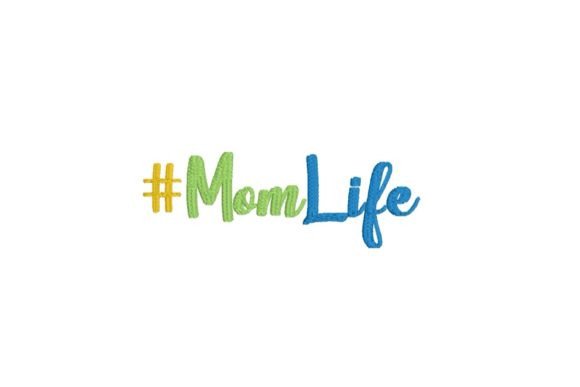
MomLife Embroidery Design Review for Boutique Apparel
As an experienced embroidery designer who has spent years curating collections for boutique brands and small clothing shops, I am always on the lookout for designs that strike the perfect balance between sentimental value and commercial viability. When browsing the vast library of Creative Fabrica embroidery options, the "MomLife" design caught my eye immediately. It promises to be a versatile addition to any collection targeting new mothers, but does it hold up under the scrutiny of professional production? After analyzing its visual personality and potential applications, here is my detailed review of how this design can elevate your sweatshirt and apparel projects.
First Impressions: Visual Personality and Mood
The first thing you notice about the MomLife design is its immediate emotional connection. It isn't just text; it carries a distinct vibe that feels both modern and deeply personal. The visual personality leans towards a casual yet chic aesthetic, making it ideal for the contemporary mother who wants to express her identity without looking overly cutesy or dated. The stitching mood appears to be playful but grounded, suggesting a premium feel when executed correctly.
For designers planning a cohesive collection, this design offers significant decorative strength. It doesn't rely on heavy fill stitches that might look bulky on lightweight fabrics, nor is it so minimal that it disappears on dark garments. Instead, it hits that sweet spot where it feels trendy and classic simultaneously. Whether you are aiming for a rustic farmhouse look or a sleek urban style, the clean lines of the lettering allow it to adapt well to various brand identities. It feels like a design that belongs in a high-end boutique rather than a mass-market discount store, which is crucial for building buyer trust and product recognition.
Strategic Applications for Sweatshirts and Hoodies
In my experience preparing a small sweatshirt collection for an online shop, placement is everything. The MomLife design shines brightly when used as a chest placement on neutral sweatshirts. On heather grey or oatmeal hoodies, the design creates a subtle focal point that invites conversation. However, the versatility extends far beyond standard front-center placement.
Consider using this design for sleeve accents on oversized garments. A smaller version of the motif on the left bicep adds a touch of sophistication that pairs perfectly with the relaxed fit of modern streetwear. For back designs, if the file allows for scaling, this could serve as a statement piece on the back of a zip-up hoodie, creating a bold look that stands out in social media graphics and lifestyle product photos. The design also translates beautifully to t-shirt embroidery, offering a lighter option for warmer months while maintaining the same core message.
Beyond apparel, the MomLife file is a powerhouse for lifestyle products. Imagine stitching this onto canvas tote bags or denim jackets. These items often serve as walking billboards for boutique brands, and the durability of the embroidery ensures the message remains clear after multiple washes. For Etsy sellers and digital sellers, having a design that works across such a wide range of mediums—from cozy seasonal outfits to everyday denim—is essential for maximizing return on investment.
Maximizing Value Through Custom Apparel
When you incorporate a well-executed design like this into your finished product, you directly impact the perceived value of your item. Customers are willing to pay a premium for handmade goods that show attention to detail. A crisp embroidery file on a soft fleece sweatshirt signals quality. This visual consistency helps establish your brand identity, making your shop instantly recognizable in a crowded marketplace. Furthermore, using this design for commercial embroidery projects allows you to create matching sets, such as a mom-and-me collection, which drives customer engagement and repeat sales.
Practical Considerations and Technical Challenges
While the potential is high, every professional decorator knows that success lies in the execution. There are specific areas where you must exercise caution to ensure the final result matches the digital preview. One critical factor is stitch density. If the design features dense lettering, testing on scrap fabric is non-negotiable. Dense areas can cause puckering, especially on stretchy fabrics like jersey knits commonly found in t-shirts and hoodies.
Fabric texture plays a massive role in how the design presents itself. On ribbed fabric, the natural elasticity can distort the shape of the letters if not stabilized properly. Similarly, curved surfaces on hats or fitted jackets require careful hooping techniques. If you plan to use this on dark garments, thread color contrast becomes paramount. You will need to select threads that pop against the background without losing definition in the shadows. Always check the Creative Fabrica product details to see if the file includes a recommended thread palette, or prepare to experiment with metallics or variegated threads to add depth.
Navigating Placement on Difficult Surfaces
Small chest placement requires precision. If the design is too large for the chest area of a child's garment, it may look overwhelming. Conversely, tiny lettering on a tote bag handle might get lost in the folds. It is vital to compare placement options before committing to a full run. Areas that stretch or wrinkle, such as the neckline or the bottom hem of a loose tee, should be approached with extra stabilizer support. Without the right backing, the design may shift during the stitching process, ruining the professional presentation.
Essential Designer Notes for Production
To ensure your handmade product meets the highest standards, follow these practical steps before starting your production line. First, always test on scrap fabric that mimics the exact material of your final garment. This reveals how the fabric reacts to the needle and thread tension. Second, review your stabilizer choice carefully. For sweatshirt embroidery, a cut-away stabilizer is often necessary to prevent the heavy knit from distorting over time.
Confirm your hoop size matches the design dimensions. If the design exceeds your machine's hoop, you will need to rehoop, which introduces the risk of misalignment. Inspect the stitch density closely; if the design looks too thick, consider adjusting the pull compensation settings in your digitizing software. Finally, and most importantly, check the licensing terms on Creative Fabrica before selling any finished apparel. Understanding the rules regarding commercial use protects your business and ensures you are operating ethically within the embroidery community.
Conclusion: A Versatile Tool for Creative Entrepreneurs
The MomLife design represents more than just a simple text file; it is a strategic asset for anyone looking to build a strong presence in the custom apparel market. Its ability to transition seamlessly from a cozy hoodie to a stylish tote bag makes it a staple for any small shop product lineup. By paying close attention to fabric selection, stabilization, and placement, you can transform this digital file into a tangible masterpiece that resonates with new moms everywhere.
Whether you are an established embroidery shop expanding your catalog or a creative entrepreneur launching your first collection, this design offers the flexibility needed to thrive. Remember to validate the technical specifications, such as file formats and machine compatibility, directly from the source before production begins. With the right approach, MomLife can become one of your best-selling items, driving brand loyalty and showcasing your dedication to quality craftsmanship.