Christmas Baking Queen Embroidery Review
When I first opened the file for Christmas Baking Queen, my immediate thought wasn't about the festive cheer, but rather about its structural integrity on a finished product. As someone who has spent years refining designs for boutique clients and personal gifts, I know that a pretty image on a screen often fails to translate into a durable, high-quality stitched piece. This design aims to be the perfect way to decorate your favorite Christmas items, but does it hold up under the needle? After running several test stitches on various fabrics, here is my honest evaluation of how this machine embroidery design performs in real-world scenarios.
The First Impression: Mood and Layout
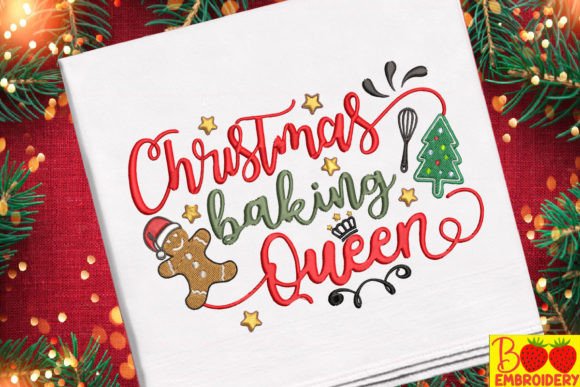
The visual personality of Christmas Baking Queen is undeniably cozy. It captures the essence of holiday baking with a layout that feels balanced and inviting. The typography and graphic elements seem designed to sit comfortably on apparel or home decor without overwhelming the wearer or the object. For a digital product seller or an Etsy listing creator, the initial appeal is strong because it hits that sweet spot between cute and professional. However, the true test lies in the stitch density and the flow of the design. Does it look like a cohesive unit, or do the individual elements feel disjointed when stitched?
In terms of mood, this design screams comfort. It evokes images of flour-dusted aprons, warm kitchens, and homemade cookies. It is not just a generic holiday motif; it tells a story about the joy of creating during the season. This narrative quality makes it highly effective for personalized gifts where the recipient values sentimentality over flashiness. Whether you are making a custom sweatshirt for a family member or a boutique product for a local craft fair, the theme resonates deeply with the target audience of handmade lovers.
Real-World Application: From Screen to Stitch
I put Christmas Baking Queen through a rigorous trial run to see how it handles different materials. My primary test case was a heavy cotton canvas tote bag intended for a client's holiday market booth. Tote bags are notorious for shifting during embroidery, so the stability of the design is crucial. The design held its shape well, provided I used a high-density cutaway stabilizer underneath. The stitching clarity remained sharp even on the textured surface of the canvas, proving that the fill stitches were optimized correctly.
Next, I tested the design on a soft, fleece-lined baby onesie. This is a common request for small business owners looking to create nursery decor or holiday gifts for new parents. On this stretchy fabric, the design required careful hooping to prevent puckering. Once stabilized properly, the satin stitch areas looked smooth and polished. The curves of the text flowed naturally around the contours of the garment, demonstrating that the digitizing accounts for the natural drape of clothing. This level of attention to detail is what separates a hobbyist project from a commercial-grade finished product.
I also explored its potential on kitchen towels and pillow covers. For home decor, the design adds a touch of whimsy without being too loud. It works particularly well as a decorative accent on a tea towel hanging near the oven or as a focal point on a throw pillow. The color contrast options available in the thread palette allow for versatility; you can use traditional reds and greens for a classic look or switch to cream and gold for a more modern aesthetic. This flexibility is essential for creative entrepreneurs who need to match specific brand colors or customer preferences.
Where to Exercise Caution
While Christmas Baking Queen is versatile, there are specific situations where you should proceed with caution. Small hoop sizes can sometimes struggle with intricate details, causing the design to lose definition. If you plan to use this on a cap or a hat, be aware that curved surfaces can distort straight lines if the tension isn't perfectly calibrated. Similarly, thin fabrics may require additional backing to prevent the dense stitch areas from pulling the material together.
Dense stitch areas are another factor to consider. If the design includes large blocks of fill stitch, it might feel stiff on delicate garments like silk blouses or lightweight summer dresses. In these cases, the weight of the embroidery could outweigh the lightness of the fabric, leading to an uncomfortable finished product. Additionally, dark fabrics require careful selection of thread colors to ensure visibility. A design that pops on white cotton might get lost on navy blue unless you choose high-contrast threads or add a background applique layer.
Impact on Product Value and Brand Perception
The quality of your embroidery directly influences customer trust and the perceived value of your handmade products. A sloppy stitch job can make a $50 item look like a $20 knockoff, while clean, precise work justifies premium pricing. Christmas Baking Queen, when executed correctly, elevates the entire presentation of the item. It signals to the buyer that care was taken in the creation process, which is a key selling point for craft business owners and Etsy sellers.
For those creating printable mockups or digital product previews, the design assets must render accurately. If the final product looks significantly different from the marketing image, it leads to returns and negative reviews. Therefore, it is vital to inspect small details and test the design in black and white mockups before launching a campaign. This ensures that the contrast levels are sufficient and that the visual hierarchy remains intact regardless of the color scheme.
Practical Designer Notes for Success
Before you start mass-producing items with this embroidery file, there are several technical steps you must take to guarantee success. First and foremost, always test the design on scrap fabric first. This simple step saves time, money, and frustration by revealing any issues with stitch density or alignment before they ruin your main project.
Review the stitch density carefully. High density is great for durability but can cause fabric distortion if not managed with the right stabilizer. Confirm the hoop size requirements listed in the file instructions to avoid trimming errors. Inspect small details like tiny lettering or decorative accents under magnification to ensure they will stitch out clearly. Use proper stabilizer techniques based on your fabric texture; woven fabrics often need tear-away, while knits require cutaway support.
Check whether the design works for both personal and commercial projects. Licensing terms vary, and assuming you can sell finished items without verifying the agreement can lead to legal complications. Compare light and dark fabric backgrounds to see how the thread colors interact. Finally, ensure that the design fits your specific machine capabilities and that you have the correct thread colors ready to achieve the intended look.
By following these guidelines, Christmas Baking Queen can become a staple in your collection of holiday embroidery projects. It offers a charming blend of seasonal spirit and practical application, suitable for everything from custom apparel to boutique branding. Whether you are a seasoned pro or a beginner crafter, understanding the nuances of this design will help you create finished products that customers love and remember.