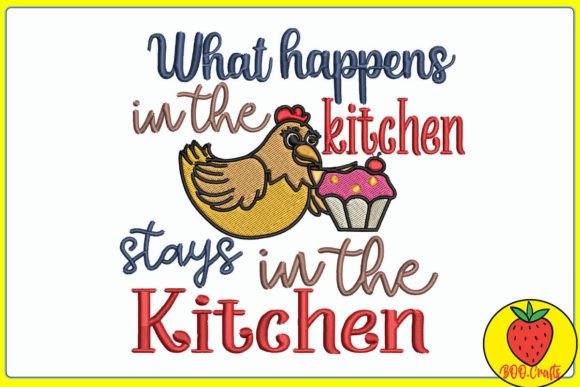
What Happens in the Kitchen: A Seasonal Design Review
As an experienced embroidery designer, I spend a significant portion of my year planning for the upcoming holiday rush. The difference between a successful seasonal collection and one that gathers dust often comes down to the specific designs selected. Recently, I reviewed a design titled What Happens in the Kitchen, and I wanted to share my professional assessment on how this piece fits into a broader strategy for holiday product creators, Etsy shop owners, and handmade gift makers.
This review is not just about the aesthetics; it is about the practical application of a digital embroidery file in real-world selling scenarios. When you are building a collection for limited-time drops or family matching items, every stitch must count toward the emotional connection with your customer.
The First Impression: Mood and Emotional Tone
When I first loaded the What Happens in the Kitchen machine embroidery design into my software, the immediate feeling was one of playful nostalgia. For holiday shoppers looking for gifts that feel personal yet lighthearted, this design hits the right note. It strikes a balance between rustic charm and modern wit, making it versatile enough for various demographics.
The text-based nature of the design suggests a strong narrative element. In the world of holiday selling, customers are often buying a sentiment rather than just an object. This phrase taps into the universal experience of kitchen chaos and family bonding. Whether you are targeting parents who love cooking together or couples celebrating their first Christmas home, the design evokes a cozy, festive mood without being overly traditional.
From a decorative standpoint, the style appears clean and legible. For a small business owner, clarity is key. If the text is hard to read on a mockup, it will be impossible to sell online. This design seems to prioritize readability, which is crucial for printable mockups and social media previews where potential buyers might only have a fraction of a second to notice your listing.
Real-World Holiday Selling Scenarios
Imagine this design integrated into a cohesive seasonal shop collection. The versatility of What Happens in the Kitchen allows it to shine across multiple product categories. Here is how I see it performing in actual market situations:
- Etsy Listings and Digital Marketing: This design works exceptionally well as a centerpiece for a "Kitchen Essentials" bundle. You can pair it with coordinating designs to create a set of matching aprons and kitchen towels. High-quality images of these items on a wooden countertop would perform beautifully on Instagram and Pinterest during the holiday season.
- Craft Fair Displays: At a local holiday market, hanging embroidered patches or tote bags with this slogan draws attention. The humor invites conversation, turning a casual browser into a buyer. It serves as an excellent conversation starter for handmade gift seekers.
- Family Matching Items: One of the biggest trends in holiday gifting is matching apparel. Imagine a set of sweatshirts for the whole family, each featuring a variation of the kitchen theme. This creates a visual identity for your brand while offering a unique gift option for families who value inside jokes.
- Personalized Gifts: Adding names or dates to this design transforms it into a premium item. A custom apron for a mother-in-law or a chef hat for a father figure becomes a cherished keepsake rather than a generic stocking stuffer.
Strategic Placement and Product Applications
The decision to use What Happens in the Kitchen extends beyond just t-shirts. As an embroiderer, I look at the fabric texture and the intended use of the garment. This design is particularly suited for:
- Kitchen Towel Embroidery: This is a classic holiday gift item. The design fits perfectly on the hem of a flour sack towel, adding a touch of personality to the home decor.
- Sweatshirt Embroidery: For cooler weather holidays, placing the design on the chest of a cotton-blend sweatshirt offers warmth and style. It appeals to those who want comfort without sacrificing fashion.
- Tote Bag Designs: A canvas tote bag with this message is perfect for carrying groceries or holiday treats. It reinforces the kitchen theme while providing a functional accessory.
- Pillow Covers and Home Decor: Incorporating the design into throw pillows adds a layer of sophistication to living spaces. It bridges the gap between a functional kitchen item and a decorative accent.
- Baby Items: Smaller versions of this design could work on baby bibs or onesies, creating a sweet, generational gift for new parents.
- Embroidered Patches: Creating iron-on patches allows for creative applications on denim jackets or beanies, expanding your product line beyond soft goods.
Technical Considerations and Potential Pitfalls
While the design has high potential, a professional review must address where caution is required. Not all fabrics and machines handle every design equally well. To ensure your finished product meets customer expectations, consider the following constraints:
Hoop Size and Detail Level: If the design includes tiny lettering or intricate details, you must verify the minimum hoop size. Attempting to stitch a complex design in a small hoop can result in puckering or loss of detail. Always test the design in its intended dimensions before mass production.
Fabric Texture and Stability: Thick towels or heavy canvas require different handling than light cotton shirts. Ensure you use the proper stabilizer to support the stitches. Without adequate backing, the design may sink into the fabric or cause the material to warp, ruining the finished product.
Thread Colors and Contrast: The visual impact of What Happens in the Kitchen depends heavily on thread colors. On dark fabric, you will need a underlay or a lighter thread color to maintain visibility. Conversely, on white fabric, darker threads provide better contrast. Always test thread colors on both light and dark swatches to confirm the final look.
Stretchy Garments and Curved Caps: Be cautious when applying this design to stretchy garments like performance wear or curved caps. The tension of the embroidery can distort the fabric, leading to a distorted appearance. For curved caps, ensure the design is digitized specifically for the curve to avoid misalignment.
Wash Durability: For items that will be washed repeatedly, such as aprons and towels, check the stitch density. Too much density can make the fabric stiff and prone to tearing, while too little can lead to fraying. Review the small details after stitching to ensure longevity.
Maximizing Seasonal Appeal and Brand Value
Incorporating What Happens in the Kitchen into your seasonal collection does more than just add inventory; it builds trust and engagement. Customers today value authenticity and quality. A well-executed embroidery file signals that you care about the details of your craft.
When you offer a design that resonates emotionally, you increase the perceived value of your products. Buyers are willing to pay a premium for items that tell a story or evoke a specific feeling, especially during the holidays. This design fosters a sense of community among kitchen lovers, encouraging them to share their purchases on social media, which drives organic traffic to your shop.
Furthermore, maintaining brand consistency is vital. If your shop specializes in cute and funny kitchen themes, this design aligns perfectly with your identity. It helps create a recognizable aesthetic that customers will associate with your brand name over time.
Essential Designer Notes for Success
Before you start producing your holiday collection, there are a few technical steps you must take to ensure success. First, always confirm the commercial licensing terms of the digital embroidery file. Just because you bought the file does not automatically grant you the right to sell thousands of finished products.
Second, create realistic mockups. Do not rely solely on digital renderings; show photos of the actual stitched design on the fabric. This transparency builds confidence with your buyers. Third, plan your color palettes carefully. Choose threads that complement the fabric texture and enhance the overall look of the item.
Finally, remember that every project starts with a test run. Stitch out the design on scrap fabric to check for alignment, tension, and overall quality. By taking these precautions, you protect your reputation as a reliable Etsy seller or small shop owner.
In conclusion, What Happens in the Kitchen is a promising addition to any seasonal lineup. Its blend of humor, warmth, and versatility makes it ideal for a wide range of holiday products. With careful attention to technique and a strategic approach to marketing, this design can help elevate your offerings and delight your customers this holiday season.