Reviewing Christmas Tree Star for Boutique Sweatshirts
As an embroidery designer who has spent years translating digital art into tangible, tactile experiences, I approach every new machine embroidery design with a mix of excitement and skepticism. The market is flooded with seasonal assets, but few truly capture the balance between festive charm and wearable sophistication. Recently, I evaluated a file titled Christmas Tree Star with the intention of incorporating it into a premium sweatshirt collection for a small boutique brand. This review breaks down how this specific embroidery file performs in a real-world commercial context, focusing on aesthetic appeal, technical execution, and brand value.
First Impressions: Mood and Visual Personality
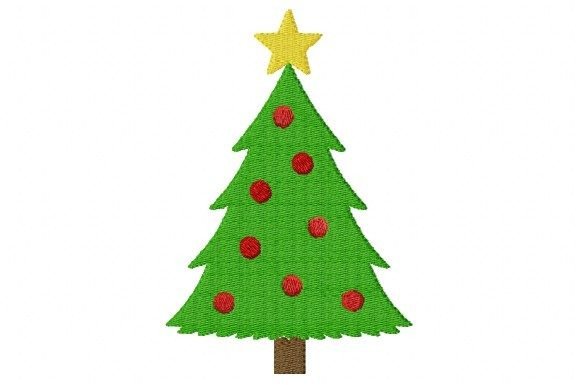
The initial viewing of the Christmas Tree Star design reveals a piece that leans heavily into friendly and playful aesthetics. The description promises a "cute" accent, and upon closer inspection, the layout confirms this intent. The design does not attempt to be minimalist or starkly modern; instead, it embraces a decorative, whimsical personality that feels inherently nostalgic. For a boutique brand targeting families or those seeking cozy, heartfelt apparel, this mood is precisely what drives engagement.
Visually, the star motif atop the tree structure suggests a focal point that draws the eye upward, creating a sense of lightness even when stitched onto heavy fabric. The detail level appears sufficient to convey texture without becoming cluttered, which is crucial for maintaining clarity at smaller scales. When I imagine this as a finished product, it reads as approachable rather than formal. It lacks the rigid symmetry of corporate holiday merch, opting instead for a hand-crafted feel that resonates deeply with the handmade product ethos favored by today’s conscious consumers.
Application on Premium Sweatshirts and Hoodies
Sweatshirt embroidery presents unique challenges due to fabric thickness and stretch. The Christmas Tree Star design proves versatile across various garment types, provided the placement is strategic. For a limited drop, I envision this design excelling in three key areas:
- Chest Placement: Centered slightly above the sternum, the design acts as a subtle yet distinct statement piece. On neutral tones like oatmeal, heather grey, or soft cream, the contrast allows the intricate details of the star and tree branches to pop without overwhelming the wearer. This placement works exceptionally well for custom apparel intended for everyday wear during the holiday season.
- Oversized Hoodies: On larger silhouettes, the design can be scaled up slightly to maintain proportionality. The playful nature of the motif complements the relaxed fit of oversized hoodies, reinforcing a casual, comfortable vibe. It transforms a basic garment into a curated fashion item.
- Sleeve Accents: Due to its compact vertical orientation, the design could also serve as a charming cuff or upper-sleeve accent. This adds a layer of surprise and delight for customers who notice the detail from the side, enhancing the perceived value of the small shop product.
When considering dark fabrics, such as charcoal or deep navy, the thread colors must be chosen carefully to ensure visibility. Lighter metallic or pastel threads would create a striking contrast, while darker threads might get lost in the weave. Conversely, on pastel-colored bases, the design offers a gentle, cohesive look that appeals to feminine and youthful demographics.
Technical Evaluation: Stitch Density and Durability
From a technical standpoint, the success of any commercial embroidery project hinges on stitch density and stabilizer choice. While exact specifications vary, the visual weight of the Christmas Tree Star suggests a moderate stitch count that balances coverage with flexibility. High-density designs can cause puckering on knit fabrics like sweatshirt fleece, so testing on scrap material is essential.
I recommend using a cut-away stabilizer for knit garments to provide lasting support, ensuring the design does not distort after washing. The fabric texture of premium cotton-poly blends interacts beautifully with embroidered details, hiding minor imperfections while showcasing the sheen of high-quality threads. Readability is another key factor; even when reduced for sleeve placements, the core elements of the star and tree remain distinct, preventing the design from looking like a muddy blob.
Washing durability is paramount for customer trust. A well-executed satin stitch border around the star and tree outline will protect the fill stitches from fraying. If the design includes small, isolated elements, securing them with adequate tack-down stitches will prevent snagging. These technical considerations directly impact the longevity of the finished product, influencing repeat purchases and positive reviews.
Brand Identity and Market Positioning
In the competitive landscape of online retail, particularly on platforms like Etsy, visual storytelling is everything. The Christmas Tree Star design serves as more than just decoration; it is a branding asset. Its cute and playful character aligns perfectly with brands that emphasize joy, family, and creativity. By using this design, a Etsy seller or digital embroidery file reseller can position their items as thoughtful gifts rather than mass-produced commodities.
This design enhances buyer trust by signaling attention to detail. Customers associate high-quality embroidery with durability and care. When a printable mockup showcases the texture and dimension of the stitching, it bridges the gap between digital browsing and physical ownership. The design’s versatility allows for creative design assets integration, such as pairing it with complementary typography or packaging stickers to create a cohesive unboxing experience.
Practical Considerations for Production
Before moving to full-scale production, designers must verify several critical details. First, always check the recommended hoop size to ensure your machine can accommodate the design without awkward re-hooping. Second, confirm the file format compatibility with your digitizing software. Third, test thread color combinations to maximize contrast against your target fabric hues.
It is also important to remember that while the visual potential is clear, specific technical metrics like exact stitch count or license terms are not provided in the standard description. Buyers should consult the original source for these specifics to avoid production errors. Ensuring that the embroidery design is licensed for commercial use protects your business and respects the creator’s intellectual property.
Conclusion
The Christmas Tree Star emerges as a strong candidate for seasonal collections aimed at the handmade and boutique markets. Its friendly aesthetic, adaptable layout, and emotional resonance make it suitable for a wide range of applications, from children’s wear to adult lifestyle apparel. By paying close attention to technical execution—such as stabilizer selection and thread contrast—brands can leverage this design to create memorable, high-value products that stand out in a crowded marketplace. For any creative entrepreneur looking to add a touch of whimsical elegance to their holiday lineup, this design offers a reliable and stylish foundation.