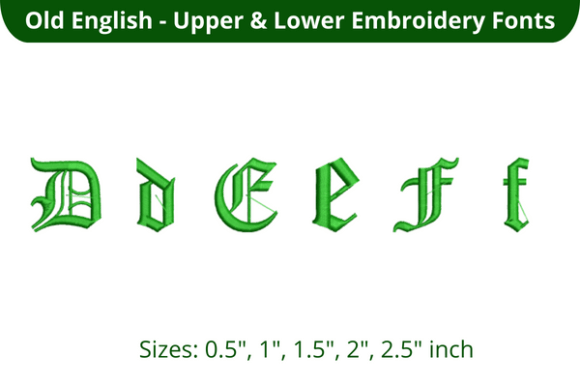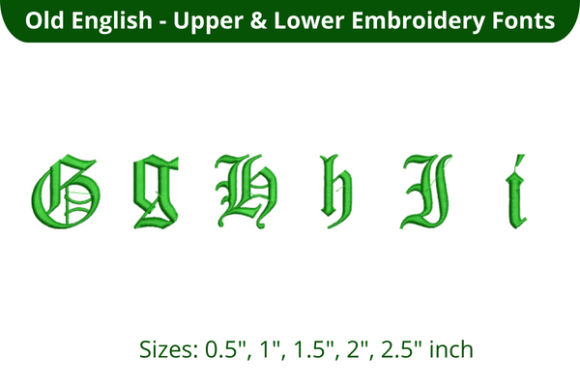
Old English Font GHI Review for Craft Fairs
As an embroidery designer who spends her weekends hunched over a table at local craft fairs, I have learned that first impressions are everything. Customers walk by hundreds of booths in a single afternoon. They glance, they touch, and if something catches their eye, they stop. When I received Old English Font GHI, my immediate question was not about the technical specs, but about the sales floor: Does this design sell? Can it compete with the farmhouse chic and modern minimalism that currently dominates handmade markets?
I put this machine embroidery design through its paces, testing it on various items you might see in a boutique maker’s inventory. Here is my honest review of how Old English Font GHI performs as a crafter fair product and what you need to know before you start producing.
First Impressions: Bold, Premium, and Timeless
The moment you look at Old English Font GHI, it commands attention. Unlike the soft, rounded scripts that are everywhere right now, this font carries a sense of history and authority. It feels elegant, rustic, and undeniably premium. For an Etsy seller or a small shop product creator, this aesthetic is powerful because it suggests quality and tradition.
It does not feel "cute" in the traditional sense; rather, it feels established. This makes it perfect for brands that want to convey heritage, whether that is a vintage-style bakery, a classic leather goods maker, or a boutique clothing line. The letterforms are distinct and decorative, which means they photograph beautifully for your printable mockup listings. On a screen, the contrast between the thick and thin strokes of the Old English style creates visual depth that draws the eye immediately.
Product Applications: Where Old English Font GHI Shines
To determine the true value of this embroidery file, I tested it across several high-demand categories. Here is where it stands out:
Tote Bags and Market Bags
A tote bag design featuring Old English Font GHI is an instant winner. The sturdy canvas fabric provides a perfect neutral background that allows the intricate details of the font to pop. Whether you use it for a simple name initial or a short quote, the design works as a large focal point. It transforms a basic canvas bag into a statement piece that customers are willing to pay a premium for.
Kitchen Linens: Aprons and Tea Towels
Apron embroidery and tea towel embroidery are staples of any craft fair booth. Old English fonts pair exceptionally well with kitchen themes. Imagine a flour sack tea towel embroidered with a family name or a recipe title in this font. It evokes a sense of nostalgia and warmth. The key here is placement; centering the design on the hem or chest area of an apron gives it a balanced, professional look that appeals to home cooks looking for personalized gifts.
Accessories: Caps and Patches
This font has a strong presence, making it ideal for embroidered patch applications. A circular patch with Old English Font GHI text can be sewn onto denim jackets, beanies, or backpacks. However, when applying this to curved surfaces like caps, you must be careful. The density of the letters needs to follow the curve smoothly to avoid puckering. If used correctly, it adds a rugged, streetwear-inspired edge to headwear.
Pillows and Home Decor
For pillow covers, this font brings a touch of sophistication. It works well as a standalone word or phrase, such as "Home," "Gather," or a surname. Because it is less cluttered than some other decorative fonts, it maintains clarity even on textured fabrics like linen or burlap, provided the thread color contrasts well.
Practical Selling and Production Notes
From a production standpoint, Old English Font GHI offers good versatility. It is easy to understand at a glance, which is crucial for batch production. You can scale it up for large focal designs or down for small accents, though there are limits.
- Photography: The design photographs exceptionally well. The sharp lines and classic style translate nicely to digital images, helping your Etsy listings stand out in search results.
- Repeatability: Because the design is clean, it is easy to hoop repeatedly without losing alignment. This efficiency is vital for commercial embroidery businesses aiming to meet deadlines.
- Brand Consistency: Using this font helps establish a brand identity that feels trustworthy and artisanal. It signals to the buyer that the item is handcrafted with care.
Careful-Use Notes: Avoiding Common Pitfalls
While Old English Font GHI is visually striking, it requires technical precision. Old English styles often feature dense stitch areas, especially in the serifs and crossbars of letters. If you do not manage your stitch density correctly, you risk needle breaks or fabric distortion.
Small Lettering: Do not attempt to digitize this font at very small sizes. Tiny details will get lost, and the letters may merge together, creating a muddy blob rather than readable text. Always inspect the design at the actual size you intend to embroider.
Fabric Texture: Highly textured fabrics, such as heavy terry cloth or loose-weave baskets, can obscure the fine details of the font. Stick to smoother fabrics like cotton, canvas, or polyester blends for the best results.
Thread Contrast: Because the font has intricate internal spaces, low-contrast thread colors (e.g., light gray on white) will make the design hard to read. Use high-contrast combinations to ensure legibility.
Essential Designer Checklist
Before you rush into production, every professional should follow these steps to ensure your finished product is flawless:
- Test on Scrap Fabric: Never skip this step. Embroidery behaves differently on different materials. Test the design on the exact fabric you plan to use for your final product.
- Check Thread Colors: Lay out your thread colors against the fabric to confirm visibility and aesthetic appeal.
- Review Spacing: Ensure the kerning (spacing between letters) is balanced. Adjust if necessary to prevent crowding.
- Confirm Hoop Size: Verify that the design fits within your standard hoop size constraints. If it is too large, you may need to split the design or choose a smaller item.
- Inspect Stitch Density: Look closely at the underlay and top stitches. Are there any gaps? Is the fabric distorting? Adjust the settings if needed.
- Use the Right Stabilizer: Heavy designs require stable support. Use cut-away stabilizer for stretchy fabrics and tear-away for wovens, ensuring no show-through occurs.
- Create a Real Mockup: Produce at least one physical sample. Digital previews can be deceiving; only a real-world test can reveal how the texture interacts with the stitches.
- Compare Fabric Colors: Light fabrics may show stabilizer residue more easily. Dark fabrics may require a different stabilizer color or technique to avoid ghosting.
- Confirm Commercial Licensing: Before selling any handmade product made with this digital embroidery file, double-check the license agreement. Ensure you are permitted to sell finished goods created with Old English Font GHI.
Final Verdict
Old English Font GHI is a versatile and attractive addition to any design assets library. Its classic, bold appearance makes it suitable for a wide range of craft fair products, from personalizable tote bags to decorative home goods. While it demands careful attention to stitch density and fabric choice, the payoff is a high-quality, premium-looking item that customers love.
For embroidery business owners and creative entrepreneurs, this font offers a way to elevate simple items into cherished keepsakes. Just remember to test thoroughly, respect the technical limitations, and always prioritize quality control. When done right, Old English Font GHI can be a standout star in your booth display.