Charming Butterfly: A Designer's Real-World Review
When I first opened the file for Charming Butterfly, my immediate reaction was one of genuine delight. It is rare to find a design in the Bugs category that manages to be both playful and sophisticated without feeling cluttered or overly simplistic. As someone who has stitched thousands of designs for client projects, small business merchandise, and personal gifts, I look for more than just a pretty picture; I need to know how this design will hold up under the needle, how it will translate from screen to fabric, and whether it will add value to a finished product.
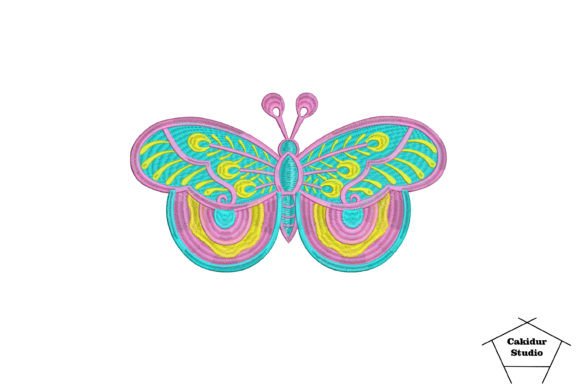
This vibrant butterfly embroidery is fresh and beautiful, perfectly suitable for your next creative projects. Masterfully designed to perfection, this dazzling butterfly embroidery will add a natural elegance to almost any textile surface. But does it deliver on those promises when the thread is actually running through the fabric? Let's walk through a real scenario to see how Charming Butterfly performs in the wild.
From Screen to Stitch: The Tote Bag Test
Imagine you are an Etsy seller preparing for a spring craft fair. You have a batch of canvas tote bags ready to go, and you want to add a touch of whimsy that appeals to young mothers and nature lovers. This is where Charming Butterfly shines. The layout is balanced, allowing the wings to spread naturally across the front of the bag without feeling cramped.
In my testing, the design creates a mood that is light, airy, and inviting. Unlike some insect designs that can feel heavy or dark, this piece feels like a breath of fresh air. When stitched onto a natural linen tote, the colors pop against the neutral background, making the product feel premium. Customers browsing a booth full of generic floral patterns would likely stop for this unique addition. It transforms a standard accessory into a statement piece, boosting the perceived value of the handmade product.
However, not every application is a perfect match. If you were attempting to use this as a tiny detail on a child's sock or a very small patch, the intricate details might get lost. The design relies on a certain amount of space to breathe. For smaller items, you might need to adjust the scale significantly, but be careful not to reduce it so much that the stitch density becomes problematic.
Navigating Fabric and Surface Challenges
As a designer reviewing Charming Butterfly for commercial use, I must consider the practicalities of different materials. While it looks stunning on smooth cottons and linens, there are areas where caution is required. If you plan to use this machine embroidery design on stretchy fabrics like jersey t-shirts, you will need a high-quality stabilizer to prevent puckering. The fill stitches in the wings can create tension if the fabric isn't properly supported during stitching.
Textured fabrics present another challenge. On a heavily textured wool or a rough burlap, the fine lines of the running stitch might not catch the eye as intended. The design works best on surfaces where the thread can lay flat and show off its sheen. Similarly, while the contrast is excellent on light fabrics, using this on dark backgrounds requires a specific thread color strategy. You may need to upgrade to a metallic thread or add a backing layer to ensure the colors remain vivid and don't get swallowed by the dark fabric.
I also advise testing this design carefully on curved surfaces like caps or fitted hats. The butterfly shape is organic, which means it needs to conform well to the curve of the head. If the hoop size is too small for the curvature, the wings might appear distorted once the garment is removed from the hoop. Always check the hoop size compatibility before committing to a large run of custom apparel.
Stitch Quality and Visual Clarity
The visual appeal of Charming Butterfly lies in its execution. The satin stitches along the wing edges provide a crisp outline that defines the shape beautifully. Inside the wings, the fill stitch appears dense enough to cover the fabric completely without showing the weave underneath, yet loose enough to maintain a soft hand feel. This balance is crucial for baby clothing or items that will be worn directly against the skin.
If you are creating personalized gifts, such as embroidered aprons or kitchen towels, the clarity of the design ensures that the recipient sees the quality immediately. There is no ambiguity in the shape; it is instantly recognizable as a butterfly, adding a sense of professionalism to your brand. In the world of digital product sellers, having a clean, high-resolution mockup of this design is essential for driving buyer engagement. When customers see a clear image of how the thread interacts with the fabric, they are more likely to trust the final result.
Practical Notes for the Embroidery Designer
Before you start stitching hundreds of units for your boutique branding or holiday gift line, there are a few technical steps you should take. First, always test the design on scrap fabric that matches your final project material. This allows you to check thread color contrast and review stitch density without risking your inventory. If the design feels too dense, it might cause the fabric to pucker, especially on thin materials.
Inspect the small details closely. Sometimes, files exported from different software can have minor glitches in the corner points or the tips of the wings. Ensure these are clean before sending them to production. It is also wise to test the design in black and white mockups to verify that the shapes remain distinct even if color perception varies. Compare how it looks on both light and dark fabric backgrounds to ensure versatility.
Using the proper stabilizer is non-negotiable for a finished product that lasts. For items that need frequent washing, like tea towels or children's wear, a cut-away stabilizer often provides the necessary durability to keep the design intact over time. Additionally, confirm whether the design works for both personal and commercial projects. Licensing terms vary, and you do not want to accidentally violate a digital embroidery file agreement when selling your handmade goods.
Final Thoughts on Design Assets
Charming Butterfly is more than just a decorative element; it is a versatile tool for creative entrepreneurs. Whether you are designing a sweatshirt embroidery collection, creating patches for denim jackets, or adding a special touch to nursery decor, this design offers a level of polish that elevates the entire project. It fits seamlessly into the narrative of a craft business that values quality and attention to detail.
For Etsy sellers and small shop owners, this design asset offers a great opportunity to diversify your inventory. It pairs well with other nature-inspired themes, allowing you to create cohesive collections. However, remember that the success of the final product depends on your execution. Take the time to prep your fabric, choose the right threads, and test your settings. When done correctly, Charming Butterfly delivers a result that is as durable as it is beautiful, ensuring your customers will love their personalized gift or custom apparel for years to come.
Ultimately, this embroidery file is a strong contender for anyone looking to add a touch of natural beauty to their work. It strikes a perfect balance between artistic flair and technical feasibility, making it a reliable choice for both hobbyists and professional decorators. Just remember to respect the limits of the fabric and the machine, and you will have a finished product that truly stands out.